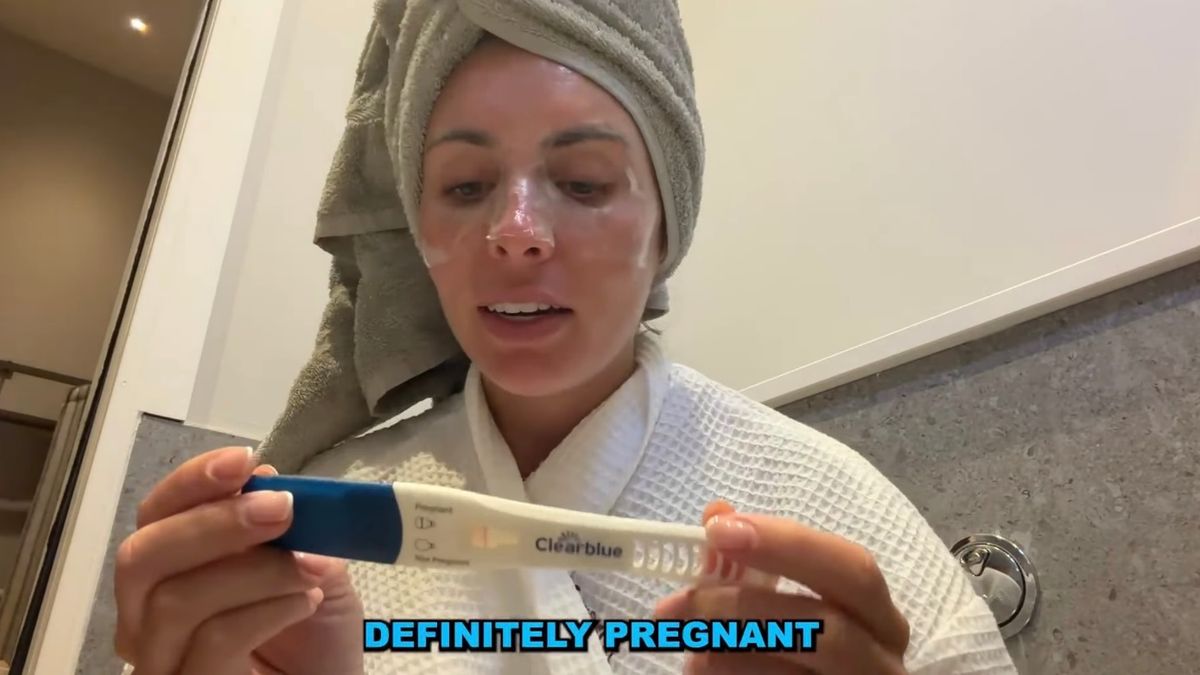
Bonnie Blue's Recurring Pregnancy Hoax: Fans Question Her Claims
The world of online content creation, particularly on platforms like OnlyFans, often blurs the lines between reality and performance. However, some stunts cross into ethically murky territory, igniting widespread debate and distrust among followers. This has become particularly evident with controversial adult content creator, Bonnie Blue, whose recent and past claims of pregnancy have drawn significant scrutiny from her fanbase. What began as a shocking announcement following an audacious "breeding event" quickly devolved into a full-blown Bonnie Blue Pregnancy Scandal: Fans Expose Prosthetic Baby Bump, with eagle-eyed viewers dissecting her social media posts for evidence of a Bonnie Blue's Fake Pregnancy Hoax: Inside the 400-Man 'Breeding' Event.
The allegations surrounding Bonnie Blue's fake pregnancy have brought to light the sophisticated ways in which online personas can manipulate their audience, raising important questions about authenticity, trust, and the responsibility of content creators. Fans are not just questioning a single claim, but a recurring pattern of sensational announcements that appear designed for shock value and engagement, rather than genuine revelation.
The Genesis of the Hoax: A Shocking "Breeding" Event
The latest wave of controversy surrounding Bonnie Blue's alleged pregnancy began with an event so bizarre, it immediately raised eyebrows. Last month, the 26-year-old OnlyFans star, whose real name is Tia Billinger, announced she was expecting a child. The startling news came on the heels of a widely publicized "breeding event" where she claimed to have slept with 400 men. This extraordinary gathering took place at a luxurious London mansion owned by convicted fraudster Lord Davenport – a venue infamous for Bonnie Blue's previous "world record" attempt of sleeping with over 1,000 men.
Following this highly unconventional session, Bonnie Blue shared a photo depicting herself lying next to a figure described as a 'doctor', who was performing an ultrasound while wearing a blue balaclava. This initial announcement, fraught with peculiar details, was met with instant skepticism from her online community. The very premise of the event – openly encouraging men to participate in a "breeding" session with the explicit goal of "making someone a daddy" – set a precedent for disbelief when a pregnancy was actually claimed. While the spectacle generated immense online chatter, the absence of any participant claiming paternity or corroborating the events only fueled the suspicion that this was an elaborate stunt.
For more detailed insights into the controversial event that sparked these claims, delve deeper into Bonnie Blue's Fake Pregnancy Hoax: Inside the 400-Man 'Breeding' Event.
Unmasking the "Bump": Fan Detectives Spot the Deception
Just two weeks after her initial announcement, Bonnie Blue further stoked the flames of suspicion with a new video showcasing her supposed baby bump. While holidaying in Mexico for Spring Break, the content creator shared a clip from her hotel room, where she discussed her alleged pregnancy while wearing a green bikini. It was during this video, however, that the carefully constructed narrative began to unravel, thanks to the astute observations of her dedicated, and now skeptical, fanbase.
Eagle-eyed TikTok viewers, possessing a keen knack for digital detective work, zoomed in on Bonnie Blue's midsection. What they discovered led to a torrent of accusations of a bonnie blue fake pregnancy. A distinct section above her bikini bottoms' waistband appeared to be made of silicone, conspicuously crinkling as she moved and bent over. The tell-tale signs pointed towards a prosthetic bump, seemingly attached to a belt fastened around her waist.
Comments flooded in, with users exclaiming, "Anyone notice the fake baby bump??" accompanied by screenshots highlighting the alleged device. "I did," others agreed, while one user wrote, "OMG I didn’t spot it. Thank God." The collective scrutiny of her followers swiftly transformed a sensational announcement into a public exposé. This incident serves as a stark reminder of the power of online communities to fact-check and uncover discrepancies, especially when content creators venture into highly sensitive and easily verifiable claims. The immediate, almost forensic, analysis by her audience underscores a growing trend where viewers are less passive consumers and more active participants in discerning truth from fiction in the digital realm.
To understand the specific visual evidence and fan reactions that exposed the alleged prosthetic, read our detailed analysis: Bonnie Blue Pregnancy Scandal: Fans Expose Prosthetic Baby Bump.
A Pattern of Deception? Past Pregnancy Claims
What makes the current bonnie blue fake pregnancy allegations particularly potent is that this isn't an isolated incident. Bonnie Blue has been accused of fabricating pregnancy claims before, leading many to view her current situation as part of a recurring pattern designed to generate attention and engagement. Last year, following her infamous "1,001 man sex stunt," similar rumors of a pregnancy circulated widely among her followers. The speculation reached a fever pitch, creating a significant buzz around her persona.
However, in a move that now seems ironic in light of current events, Bonnie Blue later backtracked on those earlier suggestions. She emphatically stated, “I have never confirmed I was pregnant because I would never, ever lie about pregnancy… (it’s a) step too far.” This previous denial, once seemingly an attempt to distance herself from a sensitive topic, now casts a shadow over her credibility, making her current claims even harder for fans to believe.
The use of pregnancy as a promotional tool, whether confirmed or merely hinted at, has elicited strong reactions, particularly from women who have faced genuine struggles with fertility or loss. At the time of her previous non-denial, distressed women online voiced their outrage, with comments like: “Respectfully, this is just an all time low and is actually disgusting. There are couples out there who genuinely deserve a child, try for a child for years and years and cannot fall pregnant and you are out here just playing f*** around and find out?" Such sentiments highlight the profound ethical implications of exploiting deeply personal and often painful experiences for the sake of online content, eroding trust and causing real offense to those genuinely impacted by infertility.
The Broader Implications: Navigating Truth and Deception in Online Content
The ongoing Bonnie Blue fake pregnancy saga transcends the individual actions of one content creator; it reflects a broader challenge in the digital age: discerning truth from carefully crafted deception. For creators operating on platforms like OnlyFans, where personal narratives often drive engagement, the temptation to sensationalize or fabricate elements of their lives can be immense. However, such actions come at a significant cost, primarily the erosion of audience trust – the very foundation upon which a creator's career often rests.
Ethical considerations are paramount. When creators use sensitive topics like pregnancy, fertility, or serious life events as mere plot points for controversy or increased visibility, they risk alienating their audience and trivializing experiences that hold profound meaning for many. The boundary between creative storytelling and outright deceit becomes dangerously blurred, leaving consumers vulnerable to manipulation.
Tips for Critically Evaluating Online Content:
- Look for Inconsistencies: Pay attention to details in videos and photos. In Bonnie Blue's case, the visible crinkling of the 'bump' was a major giveaway.
- Question Sensational Claims: If a claim seems too outrageous to be true, it often is. Extraordinary claims require extraordinary evidence.
- Cross-Reference Information: If possible, check if the information is being reported by credible, independent sources, or if it's solely coming from the creator themselves.
- Consider the Source's Track Record: Has the creator made similar unverified claims in the past? A history of deception is a strong indicator of future untrustworthiness.
- Be Wary of Rapid-Fire Developments: Hoaxes often unfold with dramatic, quick updates designed to keep attention, rather than providing concrete, verifiable information.
Advice for Content Creators:
- Prioritize Authenticity: While storytelling and persona are crucial, genuine connection with your audience is built on truth and transparency.
- Understand Ethical Boundaries: Avoid exploiting sensitive or emotionally charged topics purely for shock value. Consider the real-world impact of your content.
- Build Sustainable Engagement: Focus on creating valuable, entertaining, or informative content that fosters long-term loyalty, rather than relying on fleeting controversies.
- Accept Accountability: If you make a mistake or mislead your audience, acknowledge it, apologize, and learn from it.
Conclusion
The repeated accusations of a bonnie blue fake pregnancy highlight a critical intersection of online fame, sensationalism, and audience scrutiny. What began as an eye-catching announcement following an unprecedented "breeding event" quickly unraveled under the collective gaze of her followers, who pointed to compelling visual evidence of a prosthetic bump. This incident is not an anomaly but rather a pattern of behavior for Bonnie Blue, reinforcing skepticism and raising serious questions about the ethics of using sensitive life events as tools for content creation.
As the lines between reality and entertainment continue to blur in the digital sphere, stories like Bonnie Blue's serve as a stark reminder for both creators and consumers. For creators, it underscores the importance of authenticity and the lasting damage that deception can inflict on one's credibility. For audiences, it champions the vital skill of critical media literacy, urging them to question, investigate, and not blindly accept every narrative presented online. Ultimately, the Bonnie Blue fake pregnancy saga is a powerful case study in the evolving dynamics of trust and truth in the age of digital content.