The Bonnie Blue Pregnancy Scandal: Fans Expose Alleged Prosthetic Baby Bump
In the often-unpredictable world of online content creation, few stories have generated as much controversy and skepticism as the recent claims made by OnlyFans star, Bonnie Blue. Following a highly publicized "breeding event" that involved sleeping with hundreds of men, Blue announced she was pregnant. However, the internet, with its keen eye for detail, swiftly turned detective, and fans began to uncover what they believe is compelling evidence of a bonnie blue fake pregnancy, pointing specifically to a suspicious-looking prosthetic baby bump.
The unfolding drama has not only sparked a heated debate across social media platforms but has also raised significant questions about authenticity, ethical boundaries, and the lengths some creators might go to for engagement. This deep dive explores the initial shocking announcement, the visual evidence that led fans to cry foul, and the wider implications of such a prominent figure allegedly misleading her audience about a life-changing event.
The Shocking Claim: From 'Breeding Event' to Pregnancy Announcement
The saga began with an event that Bonnie Blue herself promoted with audacious claims. Last month, the 26-year-old OnlyFans sensation made headlines after participating in what she controversially termed a "breeding event." This gathering reportedly took place at a luxurious London mansion owned by convicted fraudster Lord Davenport, where Blue claimed to have slept with approximately 400 men without protection. This location was not new to Blue's sensational stunts; it was the same venue where she previously claimed to have broken a "world record" by engaging with over 1,000 men.
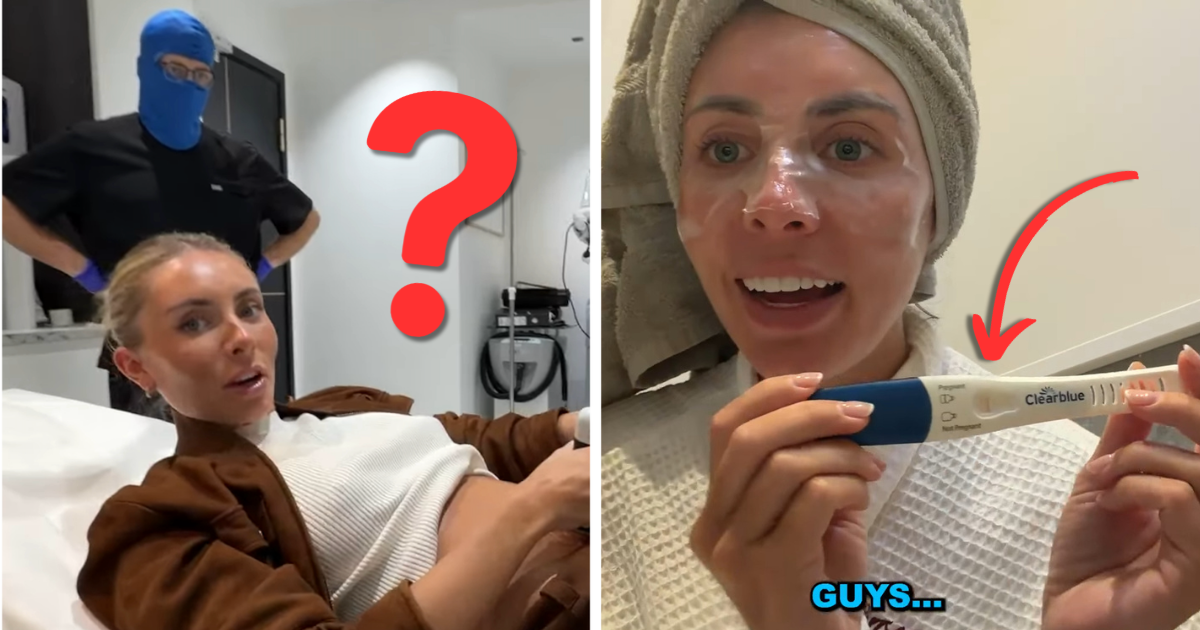
Following this highly publicized and ethically dubious session, Bonnie Blue announced she was expecting. The announcement itself was presented in a dramatic fashion, with Blue sharing an image of herself lying next to a figure described as a 'doctor' – notably wearing a blue balaclava – who appeared to be performing an ultrasound. The swiftness of the pregnancy announcement, coupled with the unconventional circumstances of conception and the masked 'medical professional,' immediately sowed seeds of doubt among many of her followers and critics alike. The concept of encouraging men to sign up for a 'breeding' event with the express wish to "make someone a daddy" was already controversial, but the subsequent pregnancy claim elevated the situation to an entirely new level of public scrutiny. For more details on the event itself, read our related article: Bonnie Blue's Fake Pregnancy Hoax: Inside the 400-Man 'Breeding' Event.
Fans Uncover the 'Prosthetic Bump': Visual Evidence and Online Reactions
Just two weeks after her initial pregnancy revelation, Bonnie Blue shared a video of her baby bump, seemingly to confirm her claims. However, it was this very video, posted while she was in Mexico for Spring Break, that provided the alleged smoking gun for skeptical fans. In the video, Blue, whose real name is Tia Billinger, was seen in a green bikini, discussing her alleged pregnancy.
What followed was a swift and decisive online investigation by her eagle-eyed TikTok viewers. Many zoomed in on her midsection, noticing inconsistencies that suggested a prosthetic bump rather than a natural one. Specifically, a section above her bikini bottoms' waistband appeared to be made of silicone. As Blue bent over or moved, this material visibly crinkled, raising immediate red flags. Furthermore, viewers pointed out what looked suspiciously like a belt, fastened around Blue's waist, to which the artificial bump appeared to be attached.
The comments section of her video quickly filled with observations from viewers convinced of a bonnie blue fake pregnancy:
- “Anyone notice the fake baby bump??” one user explicitly asked, accompanied by a screenshot highlighting the alleged bump belt.
- “I did,” another person readily agreed, confirming the shared suspicion.
- A third commenter simply stated, “Yeah,” underscoring the widespread nature of the observation.
- Perhaps most tellingly, a fourth individual replied, “OMG I didn’t spot it. Thank God,” indicating how easily such a detail could be missed by a casual viewer but was glaringly obvious upon closer inspection.
These collective observations rapidly gained traction, turning the initial skepticism into widespread accusations of a deliberate deception. The visual evidence presented by fans became the linchpin of the controversy, shifting the narrative from a shocking announcement to an alleged elaborate hoax.
A Pattern of Deception? Bonnie Blue's Recurring Pregnancy Hoaxes
Alarmingly, this isn't the first time Bonnie Blue has faced accusations of faking a pregnancy. Her history reveals a concerning pattern that lends further credibility to the current skepticism surrounding her claims. Last year, following her infamous 1,001-man sex stunt, she also led fans to believe she was expecting. However, in that instance, she later walked back the claims, stating, "I have never confirmed I was pregnant because I would never, ever lie about pregnancy… (it’s a) step too far." This past statement now rings with profound irony, given the current allegations.
The ethical implications of such repeated hoaxes are profound. Faking a pregnancy, especially for public consumption and potential financial gain or increased engagement, is a deeply sensitive issue that often draws severe backlash. Many distressed women and couples who genuinely struggle with fertility or have experienced the pain of loss have publicly condemned such stunts. One emotional comment from a previous instance highlighted this pain: "Respectfully, this is just an all time low and is actually disgusting. There are couples out there who genuinely deserve a child, try for a child for years and years and cannot fall pregnant and you are out here just playing f*** around and find out?"
This sentiment underscores the severe emotional impact that such perceived deceptions can have on a wider audience, particularly those for whom pregnancy and childbirth are deeply personal and often challenging journeys. The question of Bonnie Blue's motives remains unanswered, but the consistent pattern suggests a calculated approach to maintaining relevance and pushing the boundaries of online content. For a deeper dive into her past claims and the community's response, read: Bonnie Blue's Recurring Pregnancy Hoax: Fans Question Her Claims.
Navigating Online Content: Critical Thinking in the Age of Influencers
The Bonnie Blue pregnancy scandal serves as a stark reminder of the evolving landscape of online content and the critical need for media literacy. In an era dominated by influencers and content creators constantly vying for attention, the line between entertainment, personal branding, and outright fabrication can become dangerously blurred. This incident highlights several key areas where critical thinking and discerning viewership are paramount:
- Verifying Information: The internet allows for rapid dissemination of information, but also misinformation. Always question sensational claims, especially when they come from sources with a history of controversy or a clear incentive for virality.
- Looking for Inconsistencies: As demonstrated by Bonnie Blue's fans, a careful look at details – a crinkle in a fabric, an unnatural shape, or a suspiciously placed 'doctor' – can often reveal underlying deceptions. Don't take everything at face value.
- Understanding Motives: Consider why a creator might be making a particular claim. Is it for engagement, financial gain, or pushing a controversial narrative? Understanding potential motives can help contextualize the content.
- Ethical Responsibility of Creators: While creators have the freedom to produce content, there's an inherent ethical responsibility, especially when dealing with sensitive topics like pregnancy, health, or personal relationships. Deliberate deception can have real-world consequences, both for the creator's reputation and the audience's trust.
- The Power of the Audience: This case also demonstrates the immense power of an engaged and critical audience. Fans, acting as collective investigators, can often uncover inconsistencies that might otherwise go unnoticed, holding creators accountable.
Ultimately, the digital realm demands a proactive approach to content consumption. While the allure of dramatic narratives can be strong, cultivating a skeptical yet open mind is crucial for distinguishing genuine stories from elaborate hoaxes.
Conclusion: The Ongoing Quest for Authenticity
The alleged bonnie blue fake pregnancy saga underscores a growing tension in the digital age: the constant battle between authenticity and manufactured reality. While the controversy has undoubtedly generated massive attention for Bonnie Blue, it has simultaneously eroded trust and sparked widespread condemnation from a public increasingly wary of online deceptions. The collective effort of her fans to expose what they believe is a prosthetic baby bump is a testament to the audience's growing sophistication and their demand for genuine engagement.
As the dust settles, the ramifications of such a stunt extend beyond just one creator. It prompts a broader conversation about the ethical boundaries of content creation, the responsibility of those in the public eye, and the vital role of critical thinking for anyone navigating the vast and often deceptive landscape of social media. In a world where attention is currency, the Bonnie Blue scandal serves as a potent reminder that while sensationalism may temporarily win headlines, sustained success and respect are ultimately built on a foundation of honesty and integrity.